

The Photography Collection:
Man Ray: Kiki
Presentation in the Photography Rooms
October 31, 2026 – June 13, 2027
The Museum Ludwig’s photography collection comprises approximately 70,000 works, spanning from the early days of photography in the early 19th century to the present day. In our photography galleries, we regularly curate exhibitions featuring selected themes and photographers.
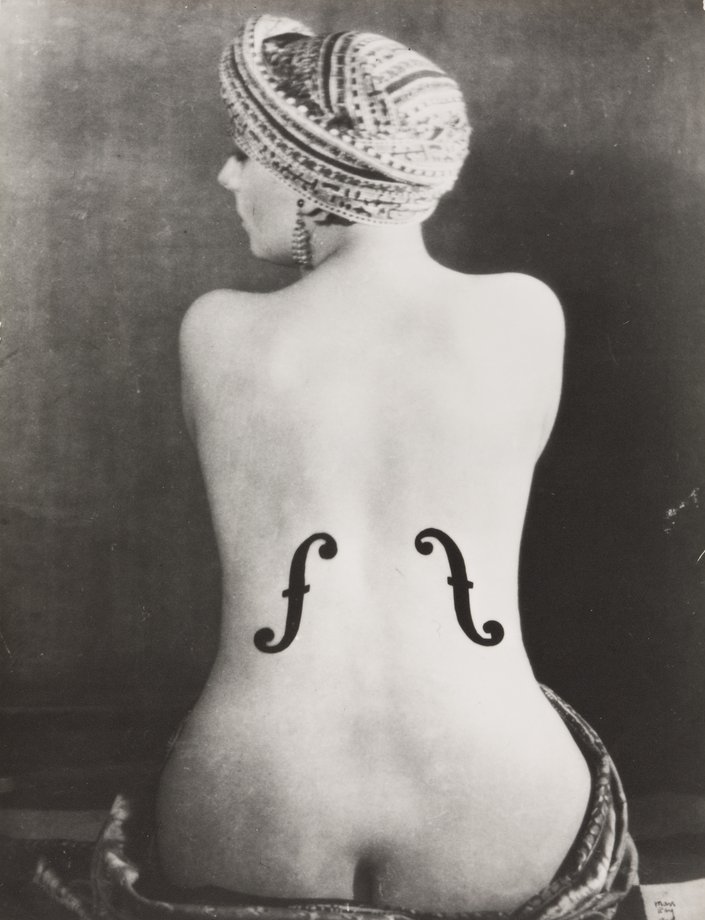
This presentation centers on Man Ray’s photograph Le Violon d’Ingres (1924), a nude showing the singer, actress, and painter Alice Prin – known as Kiki de Montparnasse (1901–1953) – from the back. Inspired by works of the neoclassical painter Jean-Auguste-Dominique Ingres, Man Ray transposes the motif into the twentieth century: in the darkroom, he used a stencil to add the f-holes of a violin to Kiki’s back so that her body becomes the resonator of a string instrument – an allusion to Ingres’ passion for playing the violin. The print on display at the Museum Ludwig is from the collection of L. Fritz and Renate Gruber and is a hand-signed reproduction of the version that made headlines in 2022 as the most expensive photograph ever sold at auction. The exhibition sheds light on the making and reception of this Surrealist icon.
Kiki grew up in poverty and earned a meagre living in Paris as a “singer, actress, painter, Queen of Montparnasse,” as the inscription on her grave states. Since her earliest youth, she also worked as a painter’s model. In 1921 she met the American painter and photographer Man Ray. They became a couple and in the eight years they were together Man Ray repeatedly took her picture, often as a nude or in closeup. Of the resulting pictures, Le Violon d’Ingres is among the most famous.
There are two original versions of Le Violon d’Ingres. For the first, Man Ray painted the f-holes onto the print. This is the picture that André Breton published in the Surrealist magazine Littérature in 1924 and that is now held by the Centre Pompidou in Paris. For the second version he took a different approach. He made a stencil of the sound holes and used it in the darkroom, combined with the negative of the main image, to make a photogram. The Museum Ludwig print is a later reproduction derived from this second original version and came to the museum with the collection of L. Fritz and Renate Gruber in 1977. Man Ray hand-signed the print with “E.A. Man Ray”. E.A. stands for épreuve d'artiste, an artist’s print, making it especially interesting to collectors.
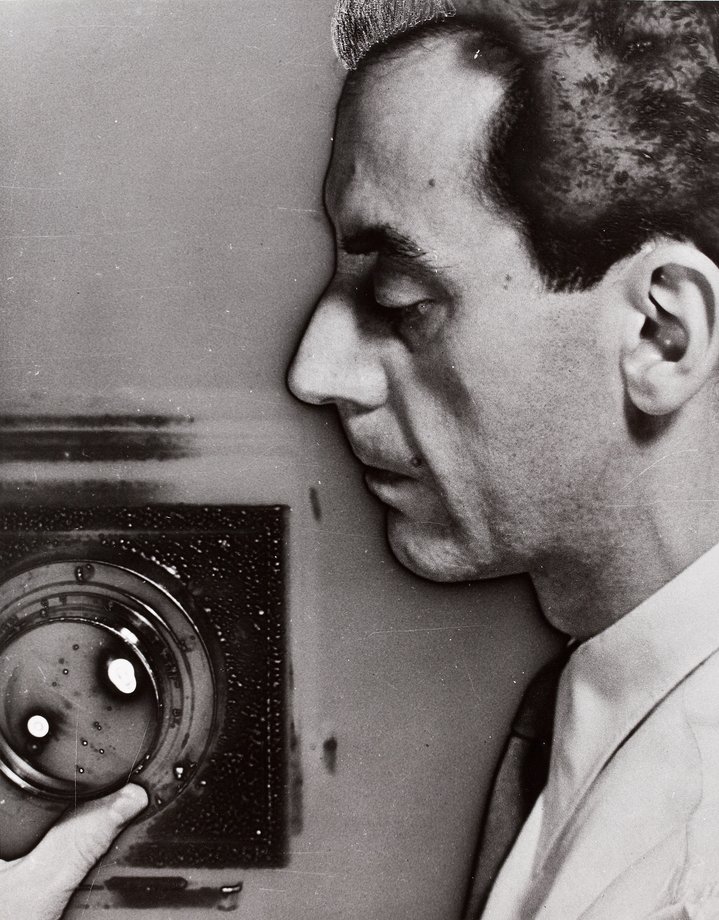
How many prints of Man Ray’s picture exist is a matter of research. Only a few are known; the Museum Ludwig copy is the focus of this exhibition. Its production and reception offer insights not only into Surrealist photography, but also into the development of the photography market and the recognition of Man Ray as a photographic artist, even though he preferred, right up to his death in 1976, to be known as a painter – like Ingres.
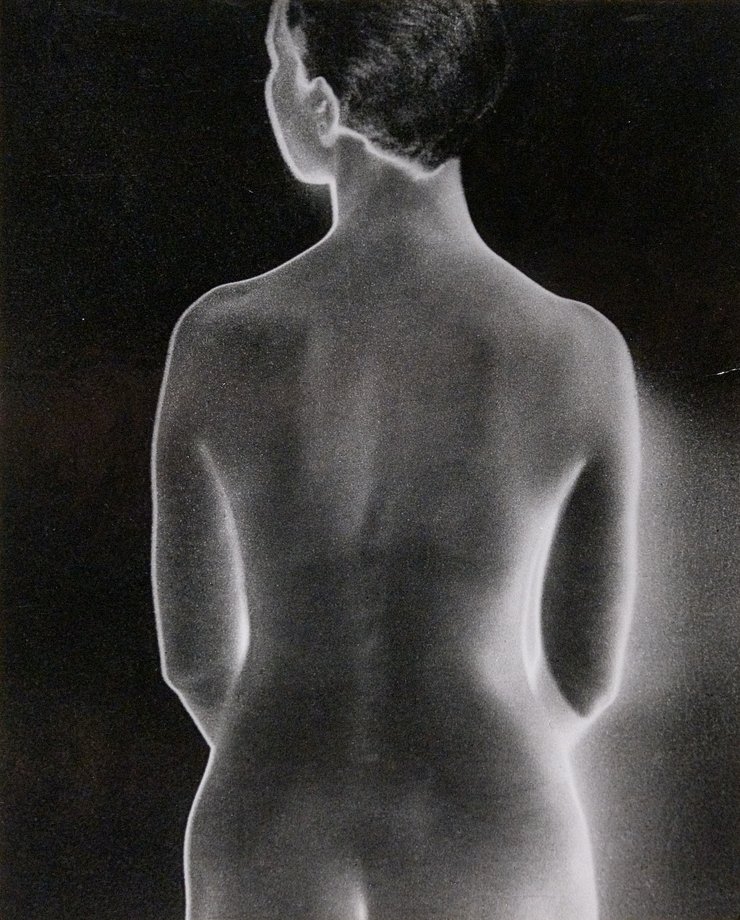
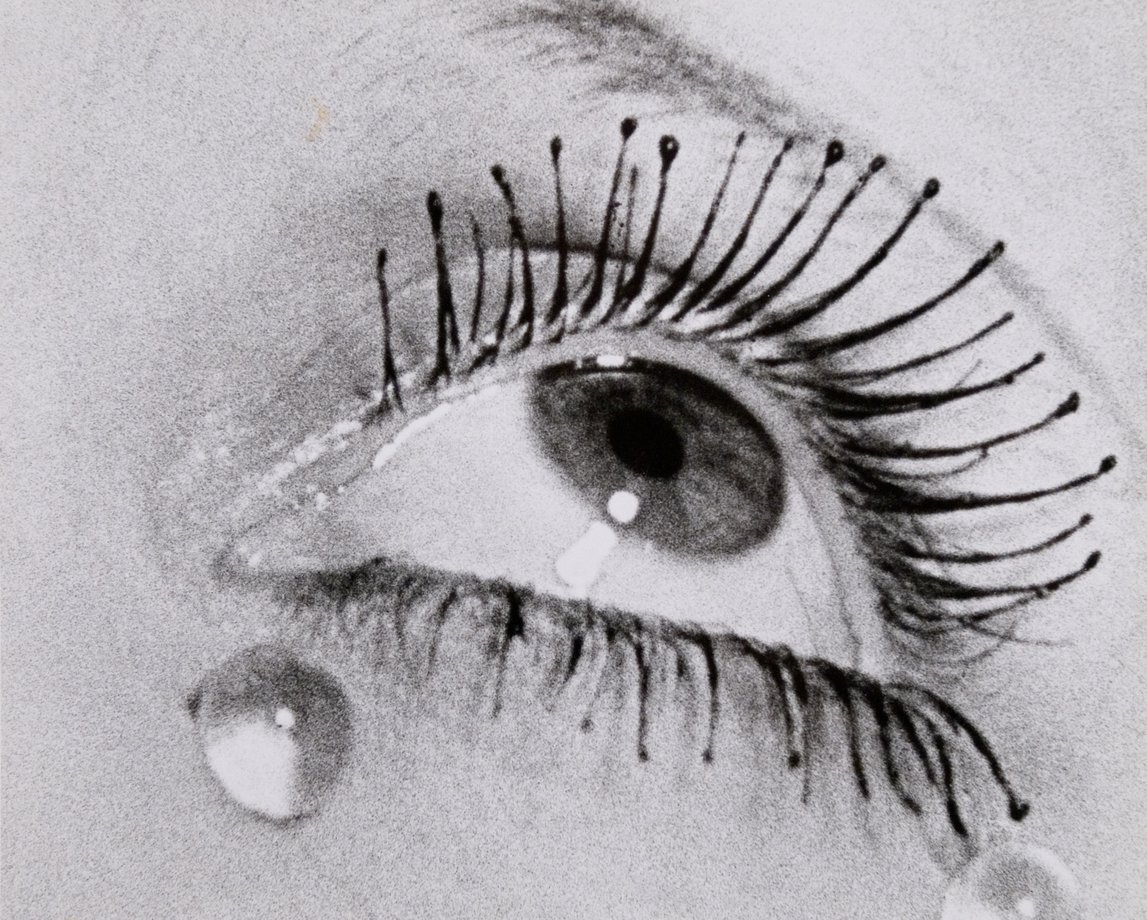
Alongside Le Violon d'Ingres and related materials from the Museum Ludwig’s Man Ray – L. Fritz Gruber Archive, the exhibition also shows other photographs of Alice Prin taken by Man Ray, as well as historical images and sound recordings of the sitter.
Yilmaz Dziewior, director of the Museum Ludwig: “The Museum Ludwig holds over a hundred photographs, paintings, and objects by Man Ray, as well as extensive archive materials. Le Violon d’Ingres is among the best-known works in the history of art and photography, and I am very glad to give our visitors the chance to take a deep dive into its making and reception thanks to this focused exhibition. The show also recalls Man Ray’s decades-long association with the collectors L. Fritz and Renate Gruber, and their later links with the Museum Ludwig. Le Violon d’Ingres is one of the works that laid the foundations for the Museum Ludwig’s photography collection in 1977.”
Curator: Miriam Szwast